
Precious metals have long been prized around the world for their rarity, beauty, and enduring value. Among these, silver stands out as both an accessible investment and a versatile industrial metal. While gold often grabs headlines, silver offers most investors a more affordable entry point into the world of precious metals, making it a popular choice for those looking to diversify their portfolios or hedge against inflation. This is true in the silver market 2026.
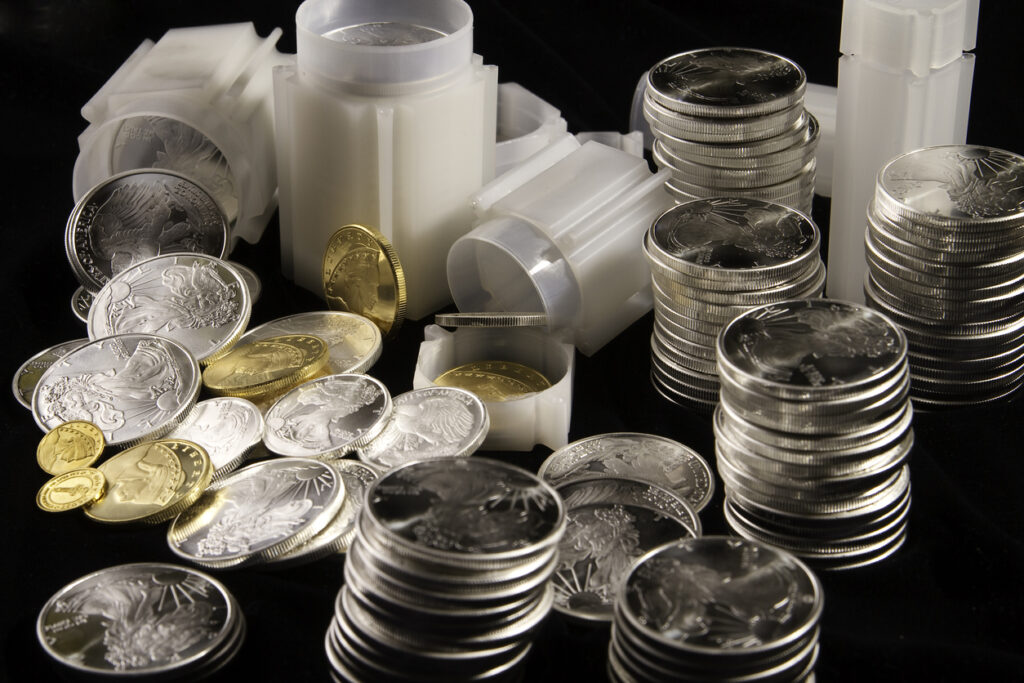
There are several ways to buy physical silver, each with its own advantages. Silver bullion and silver bars are favored by those who want to maximize the amount of metal they own for the lowest premium over the spot price. Coins, such as American Silver Eagles or Canadian Maple Leafs, are government-minted and often carry a slightly higher premium due to their recognized quality and collectibility. Sterling silver jewelry and flatware, made from 92.5% pure silver, offer another way to own physical silver, combining beauty with intrinsic value.
Understanding the spot price—the current market price for one ounce of pure silver—is essential for anyone looking to buy silver or sell silver. Dealers typically add a premium to the spot price to cover costs and profit, so comparing offers is key to getting the best price. For those interested in more advanced strategies, silver futures contracts allow investors to speculate on future silver prices without taking physical delivery, though these contracts carry additional risks and complexities.
When it comes time to sell silver, pawn shops can be a convenient and immediate option, especially for those looking to turn silver jewelry, coins, or bullion into cash. However, it’s important to research local dealers and compare offers to ensure you receive a fair deal. Whether you’re buying silver bars for your investment portfolio or selling sterling silver jewelry you no longer wear, understanding the basics of the silver market will help you make informed decisions and maximize your returns.
Introduction: What’s Happening in the Silver Market 2026?
The silver market has entered truly historic territory in early 2026. After an explosive 147% surge throughout 2025, silver is now trading in the $95–$105 per ounce range, with recent spot prices hovering around $101 per troy ounce. For anyone holding silver jewelry, coins, bullion, or flatware, this represents a remarkable opportunity. For buyers, it means entering a market that has fundamentally transformed from the sub-$30 levels seen just a few years ago.
What makes silver unique among precious metals is its dual identity. On one hand, it serves as money and a store of value, much like gold. On the other, it functions as an essential industrial metal—the highest electrical conductivity of any element makes it irreplaceable in solar panels, electric vehicles, AI data centers, and countless electronics. This combination of investment demand and industrial necessity has created a supply squeeze that shows no signs of easing.
This article is written by Sterling & Knight Jewelry and Pawn, a family of stores serving Chicagoland with locations in Bolingbrook, Hinsdale, Villa Park, Joliet, Yorkville, and Berwyn. Our goal is to give you practical, honest guidance on how to buy or sell silver in today’s unprecedented market, whether you have a single ring or an entire collection.
We track the live market throughout every trading day and base our offers on real-time spot prices. Whether you want to purchase silver coins and bars, cash in on high prices, or use silver as collateral for a short-term loan, we can help you navigate this market with confidence.

Current Silver Price: Silver Market 2026 Snapshot and Recent History
As of early 2026, silver has decisively broken above the $100 per ounce level for the first time in history. Recent spot prices have traded around $101 per troy ounce, a figure that would have seemed almost unimaginable just a few years ago. The spot price reflects the most up-to-date market conditions as of the current date and is updated frequently during trading hours. To put this in perspective, silver traded near $25 per ounce in early 2020 and spiked briefly into the $35–$40 range during the volatility of 2021 and 2022 before beginning its sustained climb.
Several powerful forces have driven silver prices to these levels. Investment demand surged as investors sought hedges against persistent inflation and currency risk, particularly as fiscal deficits expanded and central banks signaled continued monetary accommodation. Industrial consumption has grown even faster, with solar photovoltaic manufacturing alone consuming over 25% of annual global supply. Electric vehicle production added further pressure, with silver demand from that sector jumping approximately 20% in 2025 due to the metal’s critical role in sensors, high-voltage wiring, and power management systems.
Gold’s move toward $5,000 per ounce has also lifted silver, as investors seeking precious metals exposure often turn to silver for its lower entry point and historically stronger percentage gains during bull markets. The gold-to-silver ratio, which measures how many ounces of silver equal one ounce of gold in value, has attracted considerable attention from traders watching for mean reversion.
Spot prices move continuously during global trading hours, fluctuating based on futures contracts, currency movements, and real-time supply and demand. Silver prices are in a constant state of discovery and are monitored by banks, financial institutions, dealers, and retail investors. When you buy physical silver or sell silver items at retail, you typically see prices quoted as a premium above spot for purchases or a discount below spot for sales. This margin accounts for refining costs, dealer overhead, and market risk. The price of silver in Joliet, IL, reflects the global market price, with local dealers’ prices including premiums.
At Sterling & Knight, we base our silver offers and product pricing on the live spot market, updated throughout the trading day. To illustrate how value scales with price: a 10 oz silver bar that might have been worth around $350 when spot was $35 per ounce is now worth approximately $1,010 in pure melt value when spot sits at $101. That difference represents real money for sellers and a larger commitment for buyers.
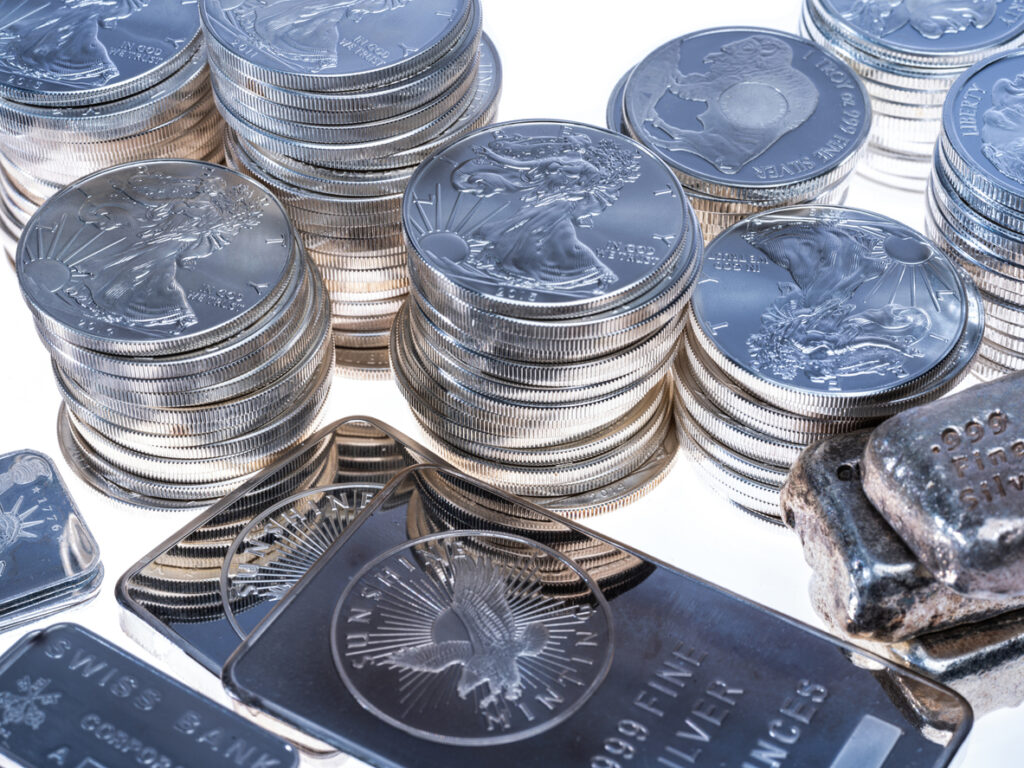
Stacks of silver coins and bars on white background
What Is the Silver Spot Price and How Is It Used?
The spot price is the current wholesale market price for immediate delivery of pure silver, refined to 0.999 fineness. It is quoted per troy ounce on global commodities exchanges, with major trading centers in New York, London, and Shanghai setting the benchmark that the rest of the world follows. Think of it as the base price from which all physical silver transactions begin.
This benchmark is used by refiners, large dealers, central banks, and yes, pawn shops to determine fair value for silver items. However, consumers never transact exactly at spot. Note: It is crucial for both buyers and sellers to understand the premiums and discounts applied to the spot price, as these directly affect the final transaction amount. When you buy silver products, you pay a premium above spot that covers manufacturing, distribution, and dealer margin. When you sell, you receive something less than spot to account for the buyer’s cost of testing, refining if needed, and resale.
The size of these premiums and discounts varies significantly by product type. Investment-grade silver bars and rounds from well-known mints typically carry modest premiums of 5–15% above spot when purchased retail. Government-minted coins like American Silver Eagles often command higher premiums due to their guaranteed weight, purity, and collector appeal. On the selling side, scrap sterling silver jewelry and damaged items typically fetch 70–90% of their theoretical melt value, depending on condition and local market demand.
Here is a practical example: with spot at $100 per ounce, a 1 oz government-minted coin might retail at $110–$115 at a coin shop or online dealer. Meanwhile, a pawn shop might offer around $80–$90 per ounce of pure silver content for scrap sterling jewelry, reflecting the costs of testing, potential refining, and resale margin. Understanding this spread helps you set realistic expectations whether you plan to buy or sell.
Silver as an Investment in the Silver Market 2026
The surge in silver prices has drawn renewed attention from investors looking beyond traditional stocks and bonds. In 2026, many people view silver as a potential hedge against inflation, which has remained stubbornly elevated despite central bank efforts. Others see it as portfolio diversification, a way to hold real assets that do not depend on corporate earnings or government promises.
Silver can serve as a store of value during periods of currency uncertainty, much as gold has for centuries. When real yields decline—meaning interest rates adjusted for inflation fall toward zero or negative—holding non-yielding assets like precious metals becomes relatively more attractive. With the Federal Reserve expected to continue cutting rates through 2026, this dynamic favors silver and gold.
Historical context matters for perspective. Silver spent long stretches of the 2010s trading below $20 per ounce, frustrating investors who remembered its 2011 spike toward $50. The metal’s recent surge toward and beyond $100 represents not just cyclical recovery but what many analysts describe as a structural repricing driven by industrial demand and persistent supply deficits that began around 2022.
What makes silver particularly interesting—and volatile—is its hybrid nature. Unlike gold, which is overwhelmingly held for monetary and ornamental purposes, silver derives over half its demand from industrial applications. This means silver prices respond to economic growth expectations, manufacturing cycles, and technology adoption rates, not just investment sentiment. A recession that cuts industrial demand could pressure prices even as investment demand rises.
Anyone considering silver as a long-term investment should discuss their risk tolerance and goals with a qualified financial professional. Sterling & Knight focuses on buying and selling physical silver items, including coins, bullion, and jewelry. We do not provide personalized investment advice, but we can help you understand the practical aspects of owning and transacting in physical metal.
Ways to Buy Silver: Physical and “Paper” Silver in the Silver Market 2026
Investors and collectors in 2026 have multiple avenues to gain exposure to silver, ranging from holding metal in their hands to owning financial instruments that track silver prices. Each approach carries distinct advantages and trade-offs worth understanding before committing your money.
Physical silver remains the most direct form of ownership. Investment-grade bullion includes bars and rounds refined to 0.999 fine silver, available in sizes from 1 oz to 100 oz or larger. Physical silver bullion is most commonly found in coin, round, and bar form with several size options for each. Popular products include generic rounds from private mints and branded bars from refiners like PAMP, Valcambi, and Sunshine Minting. These items trade at relatively tight premiums to spot because their value derives almost entirely from metal content.
Government-minted coins represent another category of physical silver. The American Silver Eagle, Canadian Maple Leaf, Austrian Philharmonic, and similar coins contain exactly 1 troy ounce of 0.999 fine silver and carry government guarantees of weight and purity. These coins often command higher premiums than generic bullion due to their recognizable designs, anti-counterfeiting features, and collector interest. Some older or limited-mintage coins may carry additional numismatic value beyond their metal content.
Sterling silver jewelry and flatware represent a third physical category. While less pure than bullion at 92.5% silver content, these items can hold value as both metal and functional or decorative objects. Vintage sterling from quality makers sometimes sells above melt value to collectors.
When storing physical silver at home or in secure facilities, it is important to consider insurance to safeguard your investment, as standard homeowners or renters insurance may not fully cover bullion or coin collections.
Non-physical options exist for those who prefer convenience over direct ownership. Silver ETFs hold physical silver in vaults and trade like stocks, allowing investors to gain exposure through a standard brokerage account. A silver ETF or certificate is basically a piece of paper that says a bank or financial institution is holding a specified amount of silver for you. Silver mining company stocks offer leveraged exposure to silver prices, though they also carry company-specific risks. Silver futures contracts traded on exchanges like CME allow sophisticated traders to speculate on price movements with leverage, though these instruments require margin accounts and carry substantial risk.
Sterling & Knight deals primarily in physical silver: coins, bars, jewelry, and other tangible items you can hold and verify. We can help local customers buy physical silver or sell their holdings for immediate cash. We do not offer ETFs, futures contracts, or brokerage services.
How to Buy Physical Silver in Chicagoland from a Pawn Shop Perspective in Silver Market 2026
Many buyers prefer to purchase silver from a local shop rather than ordering online. The ability to inspect items in person, verify authenticity before paying, and walk out with your purchase the same day offers peace of mind that no shipping confirmation can match. Working with a local dealer also eliminates concerns about shipping delays, lost packages, or online fraud.
At Sterling & Knight, the process for buying silver is straightforward. Our staff can show you current spot price information updated throughout the day, review available inventory, and explain how each item is priced. Whether you are interested in investment-grade bars, government-minted coins, or unique sterling silver jewelry pieces, we can walk you through your options and answer questions.
Premiums vary between product categories for good reasons. A 1 oz generic silver round from a private mint might sell for just a few dollars above spot, while an American Silver Eagle from the US Mint commands a higher premium due to its government backing and collector demand. Vintage sterling silver jewelry or antique flatware sets may carry premiums based on design, craftsmanship, or brand reputation that exceed their simple melt value.
When evaluating silver for purchase, look for clear markings indicating purity. Investment-grade bullion should be stamped “.999 FINE SILVER” along with weight. Sterling silver items typically carry marks like “.925,” “STERLING,” or a lion passant hallmark on British pieces. Coins from major government mints display their country of origin, weight, and purity. Coin silver is typically 90% silver and 10% other metals, and is often stamped as .900. Familiarity with these markings helps you verify what you are buying.
We encourage you to visit one of our locations to see current silver inventory. Selection changes frequently based on what customers bring in to sell or pawn, so you may find unique pieces that are not available from online dealers. Pawning silver can also be a way to access cash temporarily, similar to putting expenses on a credit card, making it a flexible option for those who need short-term funds. Our Bolingbrook, Hinsdale, Villa Park, Joliet, Yorkville, and Berwyn stores all carry silver products, though specific inventory varies by location.
How to Sell Silver Safely and Get Fair Value
High silver prices in 2026 make this an attractive time to consider cashing in on items you no longer want or need. Common items people sell include sterling silver jewelry, silver coins inherited from relatives, bullion bars purchased years ago, flatware sets gathering dust in cabinets, and miscellaneous scrap pieces accumulated over time.
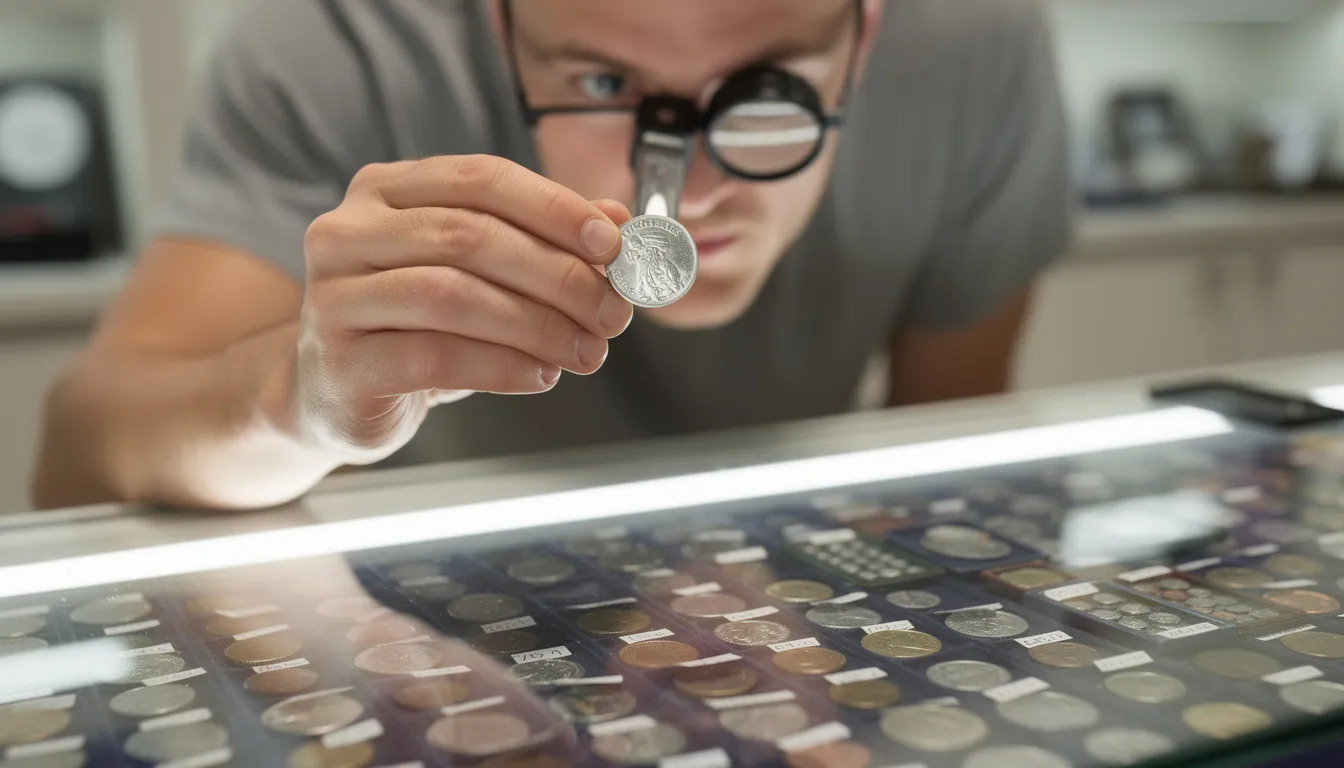
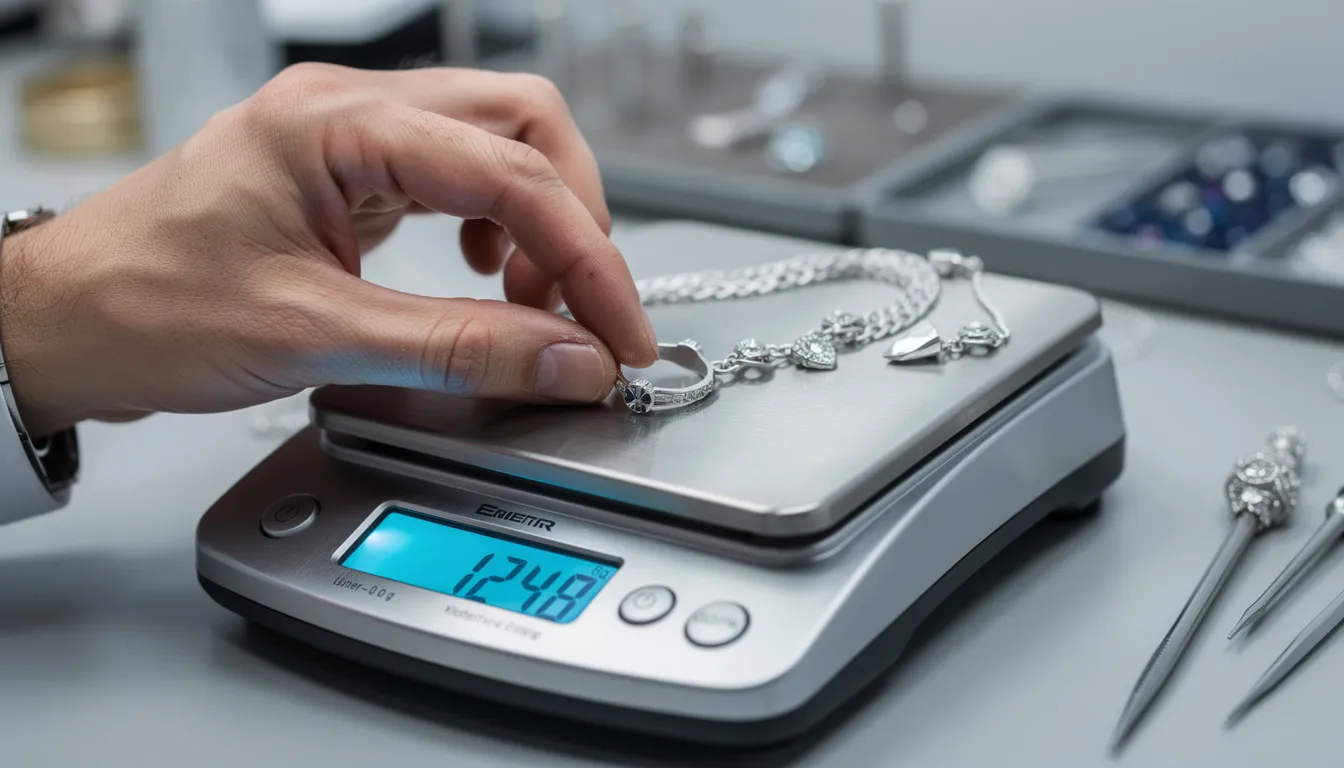
Before visiting a buyer, gather your items and look for identifying marks. Sterling silver jewelry and flatware should display “.925,” “STERLING,” or similar purity marks. Coins may show face values, mint marks, and dates. Bullion bars and rounds should clearly indicate weight and purity, usually “.999 FINE SILVER” along with the refiner or mint name. If you have a kitchen scale, you can weigh items at home to get a rough idea of quantity, though we will verify weight using calibrated scales.
At Sterling & Knight, our evaluation process is transparent. We examine items for authenticity using visual inspection and testing methods appropriate to each piece, which may include acid testing or XRF analysis for higher-value items. We weigh everything accurately in grams or troy ounces and calculate value based on actual silver content and current spot price.
Here is a concrete example of how this works: if spot is $100 per ounce and you bring in a 10 oz bar of .999 fine silver, the pure melt value is approximately $1,000. Our offer will be a percentage of that melt value, typically in the 80–95% range depending on the specific item, current market conditions, and local demand. For sterling silver, we calculate the 92.5% silver content before applying pricing.
Customers have two options at Sterling & Knight. You can sell outright for immediate cash, walking out with payment the same day. Alternatively, you can use your silver as collateral for a pawn loan, receiving money now while retaining the ability to recover your items later by repaying the loan plus agreed-upon fees. This option works well for people who need short-term liquidity but have sentimental attachment to family pieces.
Are Pawn Shops a Good Place to Sell Silver in 2026?
Some people assume pawn shops pay less than specialized bullion dealers or online buyers. The reality is more nuanced. Pawn shop experiences vary widely based on the individual business, with some offering fair market-based pricing while others may rely on customer unfamiliarity to pay less than items are worth. At Sterling & Knight, we have built our reputation on transparency and competitive offers tied directly to real-time spot prices.
Working with a local pawn shop like ours offers several advantages that online or mail-in buyers cannot match. You receive immediate cash without waiting for shipping, authentication, and payment processing that can take weeks with distant buyers. You can watch your items being weighed and tested, ask questions, and verify exactly how your offer was calculated. There is no risk of items being lost in transit, damaged during shipping, or undervalued by a faceless company.
The option to pawn rather than sell outright sets pawn shops apart from pure bullion dealers. If you have a silver coin collection that has been in your family for generations, selling it might feel like losing something irreplaceable. A pawn loan lets you access cash now while preserving your right to reclaim those items by repaying the loan within an agreed period.
For example, a customer might bring in silver coins with approximately $1,000 in melt value and take a pawn loan for several hundred dollars. Over the following months, they repay that loan plus fees and recover their coins. This flexibility makes pawn shops a good place for people who need short-term liquidity without permanently parting with meaningful possessions.
We encourage sellers to compare offers if they wish. Factor in not just the quoted price but also convenience, safety, payment options, and the value of dealing with a local business face-to-face. When you consider the full picture, a reputable pawn shop often delivers the best overall deal.
Understanding Sterling Silver vs Investment-Grade Silver
Not all silver is created equal when it comes to purity and value. Understanding the difference between sterling silver and investment-grade bullion helps explain why offers vary between different types of items, even when the spot price is the same.
Sterling silver contains 92.5% pure silver alloyed with 7.5% of other metals, typically copper. This alloy provides the durability and workability needed for jewelry, flatware, and decorative objects that would be too soft if made from pure silver. Items should be marked “.925,” “STERLING,” or with specific hallmarks depending on country of origin. British sterling often carries a lion passant mark, while American pieces typically show “STERLING” or “925.”
Investment-grade bullion, by contrast, is refined to 0.999 fine silver or higher, meaning it is essentially pure metal. This purity standard applies to most modern silver bars, rounds, and government-minted bullion coins. Because these products contain more actual silver per ounce of weight, they command higher values than equivalent weights of sterling.
Consider two items each weighing exactly 1 troy ounce. The .999 fine silver bar contains 1 full ounce of pure silver, worth $100 at that spot price. The sterling silver bracelet contains only 0.925 ounces of pure silver, giving it a theoretical melt value of $92.50. In practice, the bracelet might sell for less than its melt value if it is damaged or common, or more than melt value if it is a desirable design from a quality maker.
This distinction explains why we evaluate items individually rather than paying a single flat rate per ounce. A premium silver bar and a worn sterling chain are simply different products with different values, even though both contain the same underlying metal.
2026 Silver Market Forecast and Key Factors to Watch
Predicting prices in commodities markets is inherently uncertain, but understanding the key factors that influence silver can help you make informed decisions about timing your purchases or sales. Several powerful trends appear likely to shape the market through 2026 and beyond.
Industrial demand continues to grow rapidly, particularly from clean energy applications. The International Energy Agency projects global solar capacity to quadruple by 2030, and solar photovoltaic manufacturing already consumes more than a quarter of annual silver supply. Electric vehicle production adds further demand, with silver intensity per vehicle increasing as cars incorporate more sophisticated electronics, sensors, and power management systems. Emerging demand from AI data centers, which require silver for high-efficiency electrical components and thermal management, represents yet another growth vector.
Macroeconomic factors could push investors toward or away from silver depending on how events unfold. If the Federal Reserve continues cutting interest rates as expected, lower real yields and a weaker dollar would typically support precious metals prices. Persistent inflation concerns and expanding fiscal deficits could further increase investor appetite for hard assets outside the traditional banking system. Geopolitical tensions, from trade conflicts to energy supply disruptions, tend to boost safe-haven demand.
Supply constraints make the picture particularly interesting. Global mine production has failed to keep pace with demand for five consecutive years, creating structural deficits that have drawn down exchange inventories. Over half of silver production comes as a byproduct from copper, lead, and zinc mining, limiting the ability to increase silver output independently. Major producing countries face regulatory challenges, capital shortages, and in some cases nationalization risks.
Most investors and analysts expect silver to remain volatile around current elevated levels through 2026, potentially trading in a broad range with sharp moves in both directions. Some forecasts suggest prices could test $60 on pullbacks or push well above $100 during periods of strong demand. However, outcomes depend heavily on economic data and could change quickly if industrial demand softens or monetary policy pivots unexpectedly.
Sterling & Knight does not provide individual investment advice or specific price predictions. What we can do is track the live market closely and ensure that every customer who walks into our stores receives fair buying and selling prices based on current conditions.
Why Choose Sterling & Knight Jewelry and Pawn for Silver in Chicagoland?
Sterling & Knight has served the Chicago suburbs for years as a trusted local destination for buying, selling, and pawning silver jewelry, coins, bullion, and other items. Our staff understands both the jewelry side of the business—evaluating craftsmanship, designer pieces, and vintage items—and the bullion side, where weight and purity determine value.
Several advantages set us apart from anonymous online buyers. You receive in-person evaluation with results you can verify on the spot. We offer same-day cash for purchases without waiting for checks to clear or wire transfers to process. Our pricing is transparent, tied to current spot, with clear explanations of how we calculate offers. And our staff can answer your questions about purity, weight, market conditions, and your options.
Our inventory changes daily as customers bring items in to sell or pawn. This means you may find unique silver pieces at our stores that are simply not available from online bullion dealers: vintage sterling jewelry, collectible coins, estate flatware sets, and bullion products at competitive premiums. If you are looking to create a collection or add to an existing one, stopping by regularly can yield interesting finds.
We welcome customers to bring silver items in for a no-obligation quote. There is no pressure to sell—you can compare our offer with other dealers, think it over, and return when you are ready. We are happy to explain the difference between selling and pawning so you can choose the option that best fits your situation.
Sterling & Knight Locations and Contact Information
Sterling & Knight Jewelry and Pawn operates six convenient locations across the Chicago area where you can buy or sell silver in person. Each store offers the same commitment to fair pricing, transparent evaluation, and friendly service.
You can reach our Bolingbrook location at 630-759-9100, our Hinsdale store at 630-321-5600, and Villa Park at 630-833-0800. For customers in the south and west suburbs, our Joliet store is available at 815-727-2300, Yorkville at 630-385-2677, and Berwyn at 708-788-2340. All locations maintain regular business hours and welcome walk-in customers as well as those who call ahead.
For more information about our services, current hours, and directions to the store nearest you, visit our website at https://skjewelryandpawn.com/. You can also find details about other items we buy and sell beyond silver, including gold, jewelry, electronics, and more.
If you have questions about selling silver items, what payment options we accept, or what identification to bring for a transaction, give your nearest location a call. Our staff can provide current information and help you prepare for a smooth, efficient visit. Whether you are looking to profit from high silver prices, purchase coins or bars, or simply learn what your items might be worth, we are here to help.