
If you own silver—or recently inherited it—you may be asking a question that doesn’t always have a simple answer:
Should I sell my silver now, or should I hold onto it?
Maybe you inherited a collection of silver coins from a parent or grandparent. You might have silver bars or rounds purchased years ago, sterling silver jewelry you no longer wear, or a set of sterling flatware that has spent decades tucked away in a cabinet.
As silver prices change, it’s natural to wonder whether it’s time to turn those items into cash.
In our recent Sterling & Knight articles, we’ve talked about what to do when you inherit silver and the factors that can determine what your silver is worth. Now comes the next step: deciding what you actually want to do with it.
There isn’t one answer that works for everyone.
Before you sell—or decide to keep everything—here are seven questions worth asking.
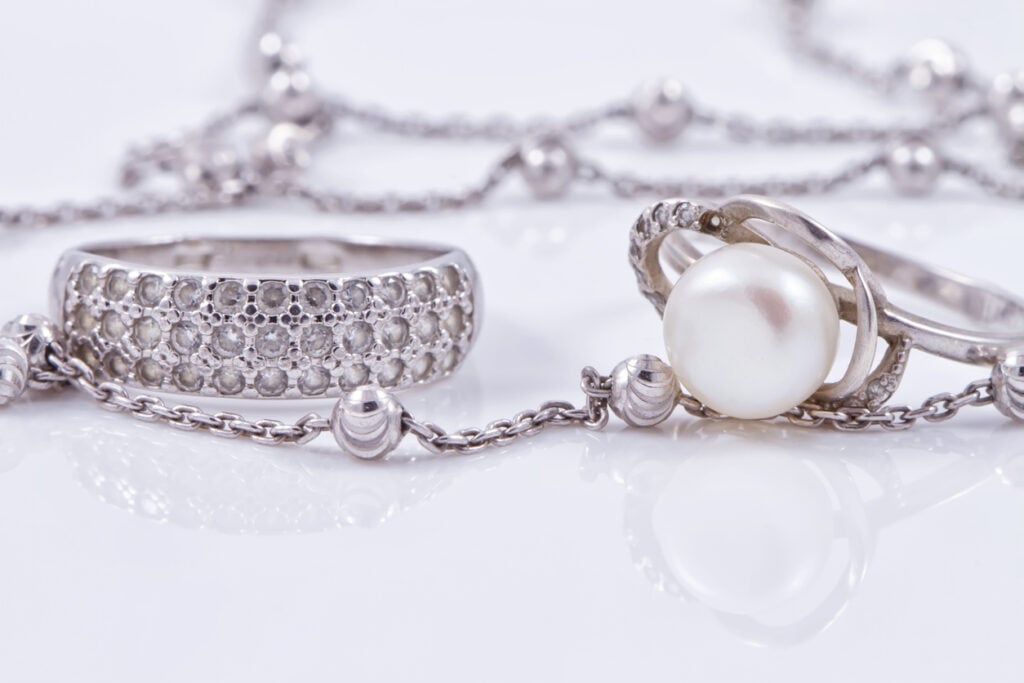
Fine silver rings are together with unusual silver chain on a white acrylic Board
1. Do You Know What Kind of Silver You Own?
Before deciding whether to sell silver, start by understanding exactly what you have.
Not every silver-colored object contains the same amount of precious metal, and some items that look like silver may contain little or no actual silver.
You might have:
- .999 fine silver bars or rounds
- Sterling silver marked .925
- Older U.S. silver coins
- Silver dollars
- Sterling silver jewelry
- Sterling flatware
- Silver-plated items
- Collectible or commemorative coins
These items shouldn’t necessarily be evaluated the same way.
A one-ounce .999 silver round, for example, is relatively straightforward because its silver content is clearly identified. An old coin may require a closer look because its date, mint mark, condition, and collector demand could affect its value.
Sterling jewelry can be different again. Its value may involve silver content, craftsmanship, brand, stones, or design.
The first rule of deciding whether to sell is simple: know what you’re considering selling.
2. What Is Silver Worth Right Now?
Silver is a commodity, which means its market price changes.
When people talk about the spot price of silver, they’re generally referring to the current market price for one troy ounce of silver.
That price can move throughout the trading day.
Silver prices may be influenced by economic conditions, inflation expectations, interest rates, investor sentiment, industrial demand, currency movements, and events happening around the world.
That’s one reason an old silver collection may deserve a fresh evaluation.
The value someone was quoted years ago may have very little to do with what that silver could be worth today.
If you’ve owned silver for a long time—or inherited a collection purchased decades ago—don’t rely on an old estimate.
Find out what you have and what it may be worth in the current market.
3. Why Are You Thinking About Selling?
This may be the most important question on the list.
Why do you want to sell?
Perhaps silver prices caught your attention and you’re wondering whether it’s a good opportunity to take some profit.
Maybe you’ve inherited silver that has no sentimental meaning to you.
You might need money for an unexpected expense.
Or perhaps you’d rather put the value toward something you’ll actually use.
There’s nothing wrong with turning an unused asset into useful cash.
A box of silver sitting in a closet may be valuable, but that value isn’t helping with a car repair, medical bill, home improvement, tuition payment, holiday budget, or another financial priority.
On the other hand, if you don’t need the money and enjoy owning silver, you may decide to keep it.
Knowing why you’re considering selling can make the decision much easier.
4. Does the Silver Have Sentimental Value?
Market value and sentimental value aren’t the same thing.
Your grandmother’s bracelet may contain a certain amount of sterling silver, but the memories attached to it could make it priceless to you.
The same may be true of a grandfather’s coin collection, a parent’s silverware, or a silver dollar someone gave you as a child.
Once you sell an inherited item, you may not be able to get that exact item back.
That’s why we recommend separating sentimental decisions from financial ones.
If you’re sorting through inherited silver, consider making three groups:
Keep. Maybe. Sell.
Put the pieces you absolutely want to keep aside first.
Then evaluate the rest.
You don’t have to sell an entire collection just because you’ve decided to sell part of it.
5. Could Any of Your Silver Have Collector Value?
This is especially important with coins.
Silver content may create a baseline value, but some coins can potentially be worth more because collectors want them.
Factors can include:
- Date
- Mint mark
- Condition
- Rarity
- Type
- Collector demand
This is why you shouldn’t automatically treat every old silver coin as nothing more than scrap silver.
Imagine inheriting a container filled with old coins and selling everything based solely on weight without checking individual pieces.
You could overlook something worth examining more closely.
This is also why cleaning old coins is generally a bad idea.
People sometimes assume polishing a tarnished coin will make it more valuable. In the collectible coin world, cleaning can actually reduce desirability.
If you aren’t sure what you have, leave the coins alone and let someone knowledgeable look at them.
6. Do You Need to Sell Everything at Once?
No.
This is one of the biggest misconceptions people have about selling precious metals.
You don’t necessarily have to choose between sell everything and sell nothing.
Suppose you inherited 100 silver coins.
You might decide to keep 20 because they have sentimental or collector interest and sell the remaining 80.
If you own silver bars or rounds, you might sell a portion and keep the rest.
If you inherited a collection that includes gold and silver, you might sell some pieces while holding others.
Selling gradually can also make sense for people who aren’t completely sure what they want to do.
The goal isn’t to make a rushed decision.
The goal is to make an informed one.
7. What Would You Do With the Money?
This question can put the entire decision into perspective.
If you sold your silver today, what would the money accomplish?
Would you:
Pay off a credit card?
Make a home repair?
Put money into savings?
Cover an unexpected bill?
Help with college expenses?
Pay for a trip?
Start Christmas shopping without adding debt?
Put the money toward another investment?
Sometimes an asset has served its purpose.
A relative may have purchased silver years ago as a way to store value. If that silver eventually helps the next generation pay for something important, it may still be doing exactly what it was intended to do.
The answer is personal.
But knowing what you’d do with the money can help you decide whether selling makes sense.
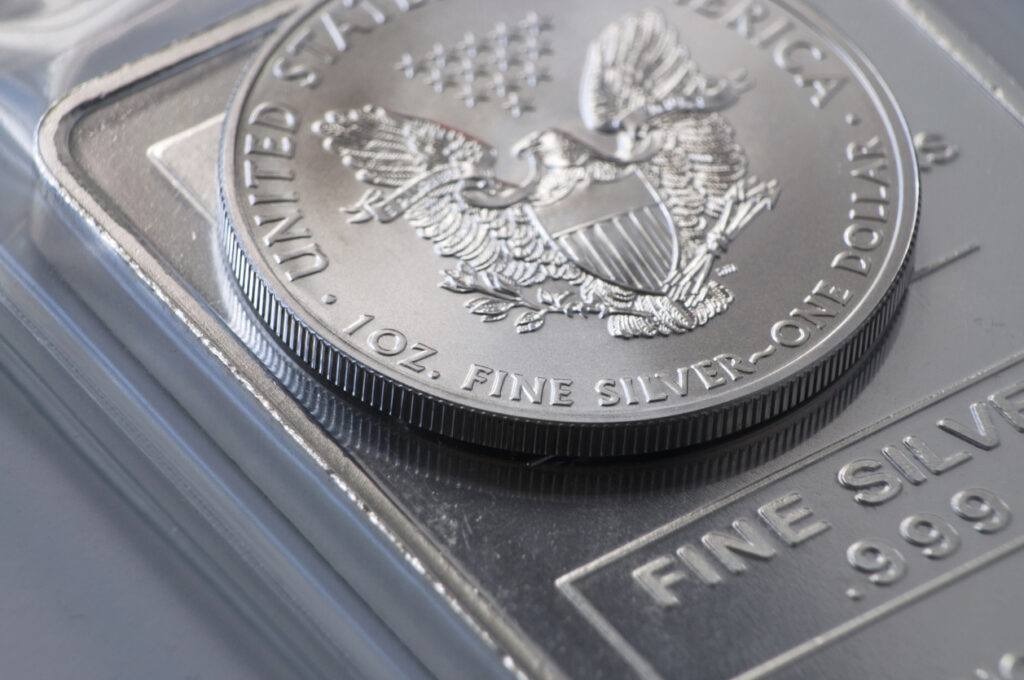
Silver Isn’t Just an Investment
It’s easy to talk about silver strictly in terms of ounces, spot prices, and dollars.
But silver can serve many purposes.
For some people, it’s an investment.
For others, it’s a collectible.
Some people simply love silver coins.
Others appreciate sterling jewelry or antique silver pieces.
And sometimes silver represents family history.
That’s why the question isn’t simply, “Is silver up or down today?”
The better question is:
“What role does this silver have in my life now?”
If it’s something you enjoy owning, keeping it may make sense.
If it’s sitting forgotten in a drawer and you’d rather have the money, selling may be worth considering.
Fall Can Be a Good Time to Reevaluate What You Own
September is a natural time to take stock of finances.
Summer vacations and back-to-school expenses are winding down, while Thanksgiving, Christmas, travel, and year-end expenses are approaching.
This makes early fall a good time to look around the house and ask what you’re actually using.
That includes precious metals.
Check old jewelry boxes.
Look through the safe.
Open the box of coins you inherited years ago.
Take another look at sterling silver flatware that hasn’t been used in decades.
You may have value sitting in places you rarely think about.
And you don’t have to wait until you urgently need money to find out what those items are worth.
Know the Value Before You Make the Decision
Perhaps the best advice we can give is this:
Don’t make a decision based on a guess.
Don’t sell because someone told you silver is high.
Don’t hold forever because someone told you silver is guaranteed to keep climbing.
Precious metal prices fluctuate, and no one can promise exactly what silver will be worth in the future.
Instead, start with the information you can know.
Find out what type of silver you own.
Determine whether any pieces may deserve individual attention.
Understand the current silver market.
Then consider your personal financial situation and what the items mean to you.
Only then should you decide whether selling makes sense.
Bring Your Silver to Sterling & Knight Jewelry & Pawn
If you’re wondering what your silver is worth, bring it to Sterling & Knight Jewelry & Pawn.
With locations serving communities throughout Illinois, Sterling & Knight can help you better understand the silver, gold, coins, jewelry, and other valuables you own.
Whether you’ve inherited a collection, accumulated silver over the years, or recently discovered old coins or sterling pieces in your home, getting an evaluation can help you make an informed decision.
You may decide to sell.
You may decide to hold.
You might sell part of the collection and keep the rest.
The important thing is that the decision is yours—and that you make it knowing what you actually have.
Because when it comes to silver, the question isn’t always simply “What is it worth?”
Sometimes the more important question is:
“What is it worth to me—and what could that value do for me today?”
Visit Sterling & Knight Jewelry & Pawn and let us help you take the next step.