
If you inherited silver and spent some time sorting through it, you may have already discovered something: figuring out what you have is only the beginning.
The next question is usually the big one:
What is all of this actually worth?
Maybe you inherited a collection of silver coins from a parent or grandparent. Perhaps you have old silverware, serving pieces, jewelry, commemorative coins, or a box of silver rounds and bars. You may even have pieces that have been sitting untouched for decades.
In our previous Sterling & Knight article, “Inherited Silver? Here’s What to Do Before You Sell,” we talked about slowing down before making a decision. Don’t immediately clean old silver, don’t assume every shiny coin is valuable, and don’t sell an entire collection without understanding what may be in it.
Now let’s take the next step.
If you have inherited silver in Illinois, here are some of the factors that can determine what your silver may be worth—and why two pieces that look similar can have very different values.
Start With the Silver Content
One of the first things to determine is whether an item is actually silver and, if so, how much silver it contains.
Silver items can have different levels of purity.
You may see markings such as:
- .999 or fine silver
- Sterling or .925
- .900
- Coin silver
- 800
- Other purity marks
For example, sterling silver is generally 92.5% silver, while an investment-grade silver bar marked .999 contains a much higher percentage of pure silver.
This matters because precious metal value is based partly on the amount of actual silver contained in the item.
Weight matters too.
A heavy sterling silver serving piece will contain more silver than a lightweight piece of sterling jewelry, even though both may be marked .925.
But silver content isn’t the only thing that can determine value.

What Is Silver Spot Price?
If you’ve started researching inherited silver, you’ve probably encountered the term spot price.
The silver spot price is essentially the current market price for one troy ounce of silver for immediate delivery.
Silver prices move throughout the trading day.
They can rise or fall based on a variety of factors, including investor demand, industrial demand, inflation expectations, interest rates, currency movements, economic conditions, and global uncertainty.
That’s why the value of silver isn’t permanently fixed.
The silver your grandfather purchased decades ago may have been acquired when silver prices were dramatically different from today’s market.
If you inherited a substantial amount of silver, even relatively small movements in the market price can make a noticeable difference in its total precious metal value.
Not Every Silver Coin Is Worth Only Its Silver
This is one of the most important things to understand before selling inherited coins.
Some coins contain silver and are valued primarily for their precious metal content.
Others may have additional collectible value.
A coin’s date, mint mark, condition, rarity, and demand among collectors can potentially make it worth more than its silver content alone.
That’s why simply putting a pile of old coins on a kitchen scale and calculating the silver value doesn’t necessarily tell you what you have.
An experienced evaluation can help identify pieces that deserve a closer look.
U.S. Coins May Contain Silver
Older U.S. coins are one of the most common types of silver people discover in inherited collections.
Depending on the year and denomination, some U.S. dimes, quarters, half dollars, and dollars contain significant amounts of silver.
You might find them neatly organized in albums.
Or you might find them in jars, envelopes, old cigar boxes, bank bags, or coffee cans.
Sometimes families don’t even realize the coins were saved because of their silver content.
Grandparents and parents may have simply put them aside years ago and never explained why.
Before spending, exchanging, or selling older coins at face value, it’s worth finding out exactly what you have.
What About Silver Dollars?
Silver dollars often attract attention when families sort through inherited collections.
Morgan and Peace dollars, for example, are recognizable pieces of American coinage that are popular with both silver buyers and coin collectors.
Their values can vary considerably.
Some may trade primarily based on silver content and general collector demand. Others may have additional value because of their date, mint, condition, or other characteristics.
If you find old silver dollars in an inherited collection, don’t polish them to make them look better.
Cleaning a collectible coin can actually hurt its desirability to collectors.
Leave it exactly as you found it and have it evaluated.
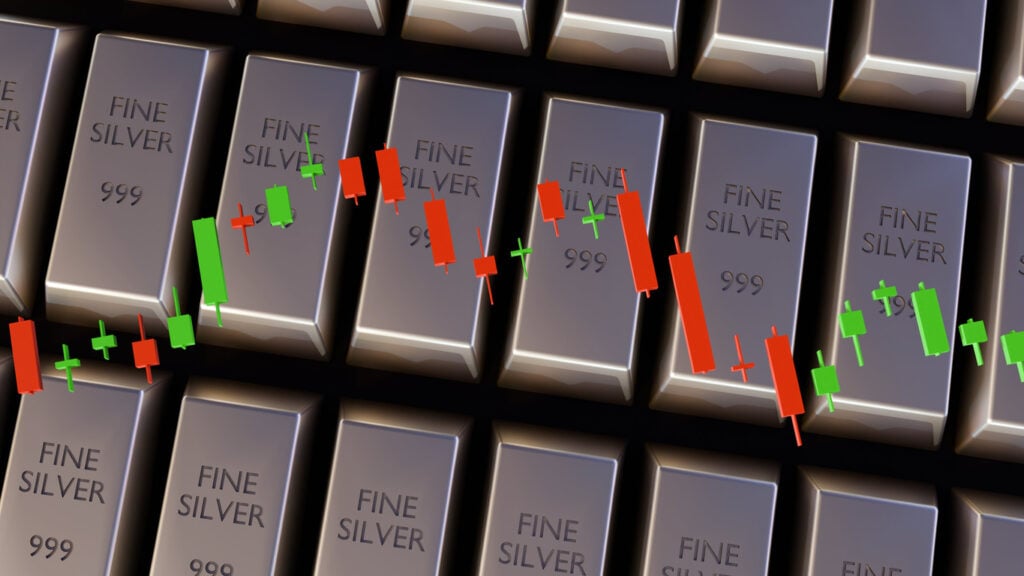
Silver Bars and Rounds Are Different
Maybe your relative wasn’t a coin collector at all.
Perhaps they were a silver investor.
If you inherited bars or rounds marked .999 fine silver, their value may be more closely connected to the current silver market.
Common sizes can include one-ounce rounds and bars as well as larger bars.
Some pieces may also carry premiums because of their mint, design, scarcity, or collector interest.
Again, the markings matter.
Don’t assume something is worthless because you don’t recognize the name stamped on it.
Sterling Silver Flatware Can Have Value
Another common inheritance is the family silverware.
Maybe it came from a china cabinet that nobody opened except at Thanksgiving. Perhaps it was your grandmother’s wedding silver.
The first question is whether it’s actually sterling silver.
Not everything people call “silverware” is made of sterling silver.
Some flatware is silver-plated, meaning a thin layer of silver was applied over another base metal. Sterling flatware, on the other hand, contains a much higher percentage of silver.
Look for markings such as Sterling or 925.
However, markings can vary by manufacturer and age, so if you’re unsure, bring the pieces to someone who can help identify them.
Complete sets, makers, patterns, and condition can sometimes matter in addition to metal content.
Don’t Forget About Silver Jewelry
Inherited jewelry boxes often contain a mixture of gold, silver, costume jewelry, watches, and pieces nobody in the family recognizes.
Sterling silver jewelry is frequently marked .925 or Sterling.
But don’t stop at the stamp.
Some pieces may have value beyond their silver weight because of the maker, design, stones, age, or craftsmanship.
If you’re sorting an entire estate, keep jewelry together until it has been examined.
That old bracelet at the bottom of the box may deserve more attention than you think.
Should You Sell Silver When Prices Rise?
This is where the decision becomes personal.
There isn’t one perfect time for every person to sell silver.
Some people inherit silver and want to keep it because it has sentimental value.
Others view it as an investment and decide to hold it.
Some families divide the collection among relatives.
Others decide they would rather turn silver they don’t use into money they can put toward something important today.
The important thing is to make an informed decision.
If silver prices have increased significantly since the collection was purchased, it may be worth finding out what the collection is worth in today’s market.
Getting an evaluation doesn’t mean you have to sell.
It simply gives you information.
Should You Keep Some and Sell Some?
Absolutely.
Inherited silver doesn’t have to be an all-or-nothing decision.
You might keep your grandfather’s favorite silver dollar while selling common silver coins.
You might keep a grandmother’s sterling bracelet but sell silverware nobody in the family uses.
Or you may decide to keep the entire collection.
Sentimental value can’t be measured by a scale or a spot-price chart.
Sometimes the right decision is to preserve the pieces that mean something to you and evaluate the rest based on their financial value.
Why Local Expertise Matters
When you’re dealing with inherited silver, you want more than someone willing to put everything on a scale and give you a number.
You want to understand what you have.
At Sterling & Knight Jewelry & Pawn, our team can help customers throughout Illinois evaluate silver, gold, jewelry, coins, and other items of value.
That can be particularly important when you’re dealing with an inheritance because collections are often mixed.
One box might contain silver coins, sterling jewelry, plated items, collectible coins, and pieces with no precious metal value at all.
Sorting those categories correctly can make a big difference.
Bring Your Inherited Silver to Sterling & Knight
If you inherited silver this summer and aren’t sure what to do next, August is a good time to take another look at it.
Pull out those boxes.
Check the safe.
Look through the coin collection.
Take another look at the silverware and jewelry that came from an estate.
Most importantly, don’t feel pressured to make a decision before you understand what you own.
Visit Sterling & Knight Jewelry & Pawn at one of our Illinois locations and let our experienced team take a look.
Whether you ultimately decide to sell your silver, pawn an item, keep the collection, or simply learn more about what you’ve inherited, knowing its value gives you the information you need to make the decision that’s right for you.
Because when silver has been passed from one generation to another, the first question shouldn’t be, “How fast can I sell it?”
It should be:
“What exactly do I have?”
And once you know that, you can decide what comes next.